
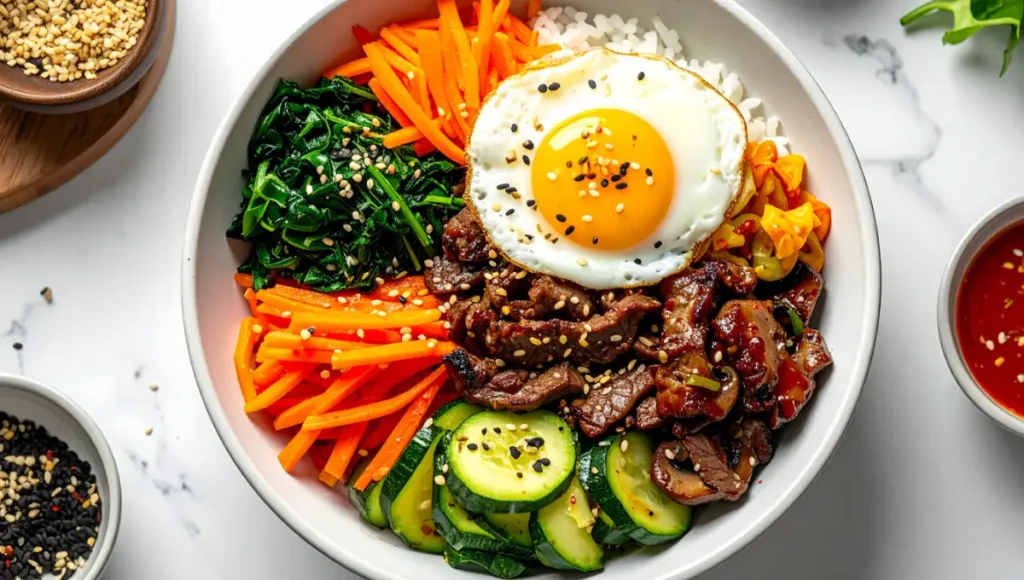
Bibimbap Bulgogi (비빔밥 불고기) isn’t just a Korean dish—it’s a story told through vibrant ingredients and bold flavors. Inspired by my Korean grandmother’s treasured recipes, this article will guide you to elevate the classic bibimbap bulgogi experience to new heights. Using tips from her worn handbook, brimming with tradition, and modern techniques, you’ll discover how to master this dish with heart and expertise.
1. The Perfect Protein: Bulgogi Mastery
Bulgogi is the star of this dish, celebrated for its tantalizing blend of sweet and savory notes. To make your bibimbap bowl unforgettable, it’s essential to master the bulgogi preparation process.
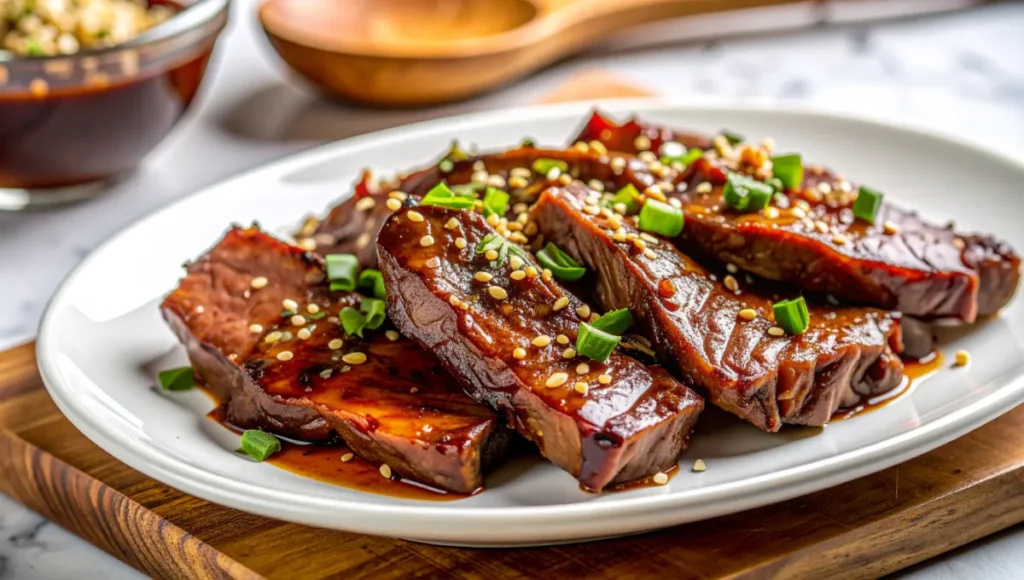
Key Ingredients and Their Role in Flavor
- Soy sauce (3 tbsp): The salty, umami-rich backbone of the marinade.
- Sesame oil (1 tbsp): Adds nutty depth and authentic Korean essence.
- Garlic (3 cloves, minced): Delivers a sharp, aromatic punch.
- Sugar (2 tbsp): Balances the savory and enhances caramelization.
- Pear juice (optional, 2 tbsp): A traditional tenderizer and natural sweetener.
Marination Secrets
Marinate thinly sliced beef for a minimum of 24 hours in the refrigerator. This extended marination process allows the marinade to deeply penetrate, tenderizing the meat and creating a melt-in-your-mouth texture. Trust me—rushing this step will compromise flavor and tenderness.
Cooking Method
- Heat a cast-iron skillet or grill pan over medium-high heat until sizzling hot.
- Add the marinated beef in a single layer, avoiding overcrowding.
- Cook for 2–3 minutes per side until caramelized and smoky.
Pro tip: Avoid excessive flipping! Let each side sear fully for maximum flavor and texture.
2. Veggie Vibrance: Elevating Bibimbap’s Health Quotient
Bibimbap’s hallmark is its colorful array of vegetables, each contributing distinct textures and flavors. But don’t stop at tradition—use creativity to boost nutrition and aesthetics.
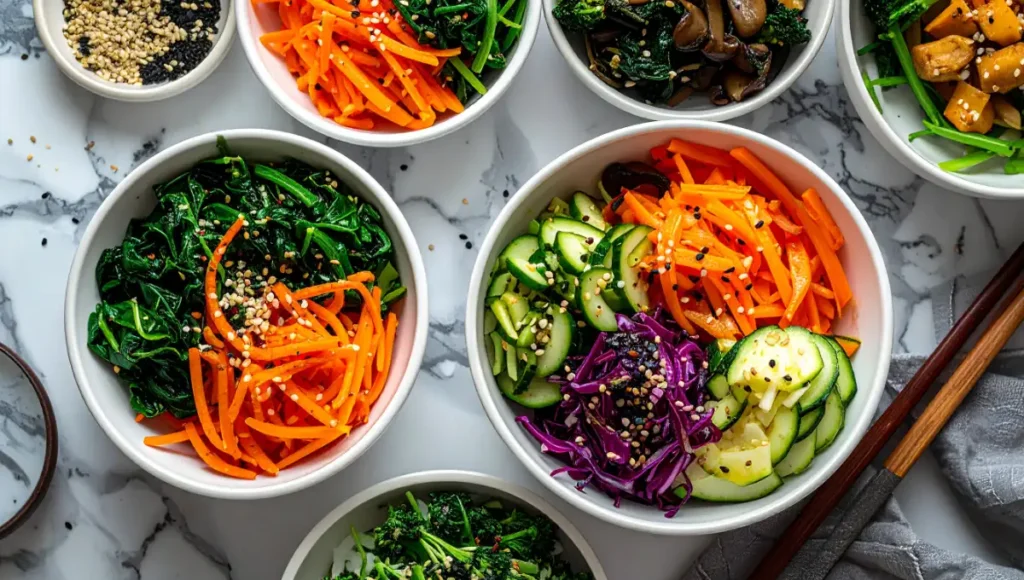
Bibimbap Vegetable Master List
| Vegetable | Cut Style | Cooking Method | Secret Addition |
| Carrots | Matchsticks | Sauté 1-2 mins | A pinch of salt + tiny drop of honey. |
| Spinach | Whole Leaf | Blanch 30 secs | Garlic powder + toasted sesame oil. |
| Zucchini | Half-Moons | Quick Sear | Pinch of gochugaru (chili flakes). |
| Shiitake | Thin Slices | Sauté 3 mins | 1 tsp soy sauce for umami depth. |
| Bean Sprouts | Whole | Boil 2 mins | Minced scallions + salt. |
Choosing the Right Vegetables
- Spinach: Blanched and tossed with sesame oil and a pinch of salt for balance.
- Carrots: Julienned and lightly stir-fried to release their natural sweetness.
- Zucchini: Sautéed with a touch of garlic to bring out its subtle flavor.
- Mushrooms (shiitake preferred): Add a rich, earthy umami profile.
For a modern twist, experiment with:
- Lotus root slices: Add a delightful crunch and visual interest.
- Seaweed or kelp: Incorporates oceanic minerals and a slight briny undertone.
- Red cabbage: Blanched for vibrant color and an antioxidant boost.
Vegetable Preparation Tips
- Blanch Spinach: Submerge in boiling water for 30 seconds, then shock in ice water to preserve the bright green hue.
- Quick Pickling: Thinly slice cucumbers or radishes, soak them in a mixture of vinegar, sugar, and water, and let rest for 20 minutes. This adds tangy, refreshing notes.
Why It Matters: Using seasonal, high-quality vegetables not only enhances the dish’s flavor but also packs it with vital nutrients like fiber, antioxidants, and vitamins. Seasonal produce also ensures peak freshness and flavor.
3. The Gochujang Game: Sauce with a Twist
At the heart of every great bibimbap lies the gochujang sauce. This Korean chili paste brings heat, tang, and complexity to the dish, but why stop at the classic recipe? Here’s how you can level up your sauce game:
Classic Sauce Recipe
- 2 tbsp gochujang
- 1 tbsp honey or sugar
- 1 tsp sesame oil
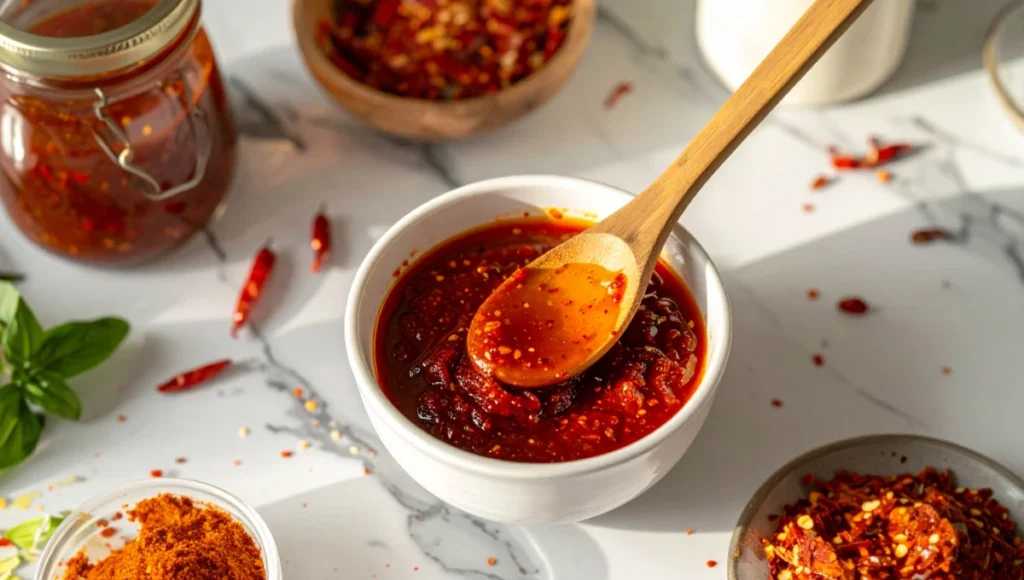
Creative Variations
- Creamy Blend: Combine gochujang with Greek yogurt for a silky, tangy alternative.
- Sweet & Citrus: Add orange zest and juice for a zippy, citrusy edge.
- Nutty Twist: Blend gochujang with peanut butter for a spicy, nutty fusion.
Pro Tips
- Adjust the spice level by mixing more honey or sesame oil for a milder profile.
- Add a splash of lime juice to brighten and balance the sauce’s intensity.
Serving suggestion: Offer the sauce on the side, letting each diner customize their bowl.
Assembling the Ultimate Bibimbap Bulgogi Bowl
Now comes the most satisfying part—bringing all the components together into a cohesive masterpiece. The secret lies in creating a visual and flavorful harmony in your bowl.
Step-by-Step Assembly
- Base Layer: Start with a generous scoop of steamed short-grain rice. For a healthier alternative, try quinoa or cauliflower rice.
- Artful Arrangement: Arrange each vegetable type in its own section, creating a vibrant, colorful mosaic.
- Center Stage: Pile the caramelized bulgogi beef in the center of the bowl.
- Egg Topper: Place a perfectly cooked sunny-side-up egg on top of the beef. For added indulgence, opt for a poached egg with a runny yolk.
- Final Touch: Serve with gochujang sauce drizzled over the top or served on the side. Sprinkle sesame seeds for garnish.
Pro Tip: The Golden Crust Secret Do you love the crunchy rice at the bottom of restaurant Bibimbap? You don’t need a heavy stone bowl to get it! Brush the bottom of a heavy cast-iron skillet with a generous layer of sesame oil. Spread your cooked rice in an even layer and heat it over medium-high for 3–5 minutes before adding the toppings. You’ll hear a crackling sound—that’s the “Nurungji” (scorched rice) forming, adding a smokey, nutty crunch to every bite.
Common Mistakes to Avoid
Even seasoned cooks can stumble when making bibimbap bulgogi. Here’s what to look out for:
- Overcooking Vegetables: Keep them slightly crunchy to retain texture and color.
- Short Marination: Always plan ahead to ensure your bulgogi is rich in flavor.
- Sauce Imbalance: Too spicy or too bland can throw off the dish—taste as you go!
FAQ Section
Q1: Why is it called “Enigmatic” Bibimbap?
Answer: The “enigma” lies in the 24-hour marination and the hidden use of Asian Pear in the beef. Most people skip these, but they are the secret to that restaurant-quality sweetness and the melt-in-your-mouth texture that defines authentic Bulgogi.
Q2: Should I use long-grain or short-grain rice?
Answer: Authentic Bibimbap requires short-grain or medium-grain Korean rice. It has a higher starch content, making it slightly sticky. This is crucial because the rice needs to “grip” the gochujang sauce and the tiny pieces of vegetable when you mix it all together.
Q3: How do I eat Bibimbap correctly?
Answer: While it looks beautifully arranged in sections, the name literally means “mixed rice.” Use a spoon (not chopsticks!) to vigorously mix everything until the egg yolk and gochujang form a creamy coating over every single grain of rice. That harmony of flavors is the goal!
Conclusion: Your Journey to a Perfect Bowl
With these tips, you’re equipped to create a bibimbap bulgogi bowl that blends tradition with creativity. Whether it’s mastering the art of tender bulgogi, selecting seasonal vegetables, or reimagining gochujang sauce, each step is an opportunity to elevate this iconic dish.
Now, it’s your turn. Head to your kitchen, channel your inner chef, and craft a bowl worthy of celebration. Don’t forget to share your creation—you might inspire someone else to embark on their own bibimbap adventure.